information-about-the-animal

What Is a Spirit Bear?

Introduction

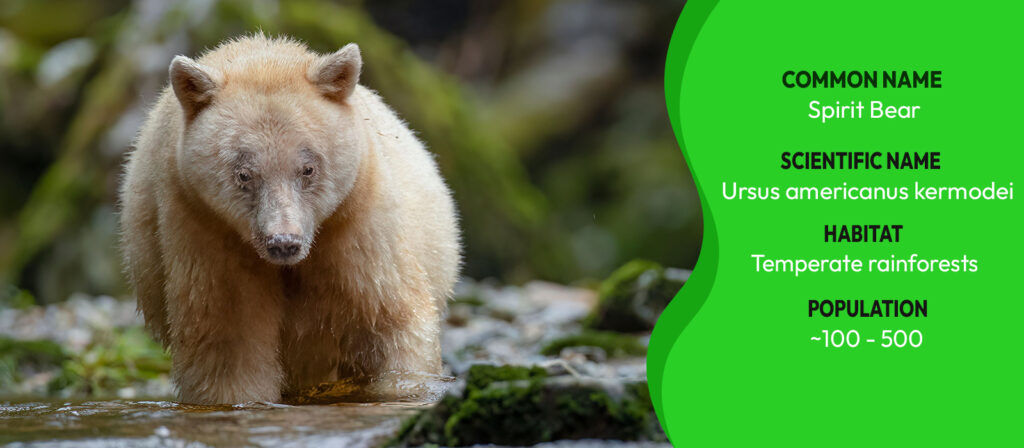
What is a spirit bear? – Ever heard of a white bear that isn’t a polar bear? No, it’s not a myth, and no, it’s not a Photoshop edit. 

This ultra-rare animal lives deep in the temperate rainforests of British Columbia, Canada. It’s also known as the Kermode bear, a unique subspecies of the American black bear with a twist of genetic magic that gives about 1 in 10 individuals a creamy white coat. But here’s the wild part: it’s not albino, it’s not a polar bear, and it’s definitely one of the coolest animals you’ve probably never heard of.

So, What Is a Spirit Bear?

The spirit bear, or Ursus americanus kermodei, is genetically a black bear. But thanks to a rare recessive gene called MC1R, some of them are born with striking white or cream-colored fur. They have dark noses and pigmented skin—clear signs that they’re not albino. The white coat is just a genetic quirk that both parents need to carry for a cub to be born white. And when it happens? It’s magic.

These bears aren’t their own species, but rather a color morph of the black bear, kind of like how a Dalmatian can be black-and-white or liver-spotted—just on a much wilder level.

Endearing white spirit bear (Ursus americanus kermodei) on background of a waterfall

Where Do Spirit Bears Actually Live?

To see a spirit bear in the wild, you’ll have to head to one of the most biodiverse, untouched rainforests left on Earth: the Great Bear Rainforest. Stretching along the coast of British Columbia, this lush, moss-covered wilderness is home to wolves, cougars, eagles, salmon, and yes—spirit bears.

What’s fascinating is that spirit bears are mostly found on a few small islands and coastal areas where the chances of two bears carrying the white-coat gene are higher. Isolation plays a key role here. And their favorite spots? Think dense forests near rivers overflowing with salmon—because that’s dinner.

Spirit bear: A Sacred Symbol for Indigenous Communities

For Indigenous Peoples like the Kitasoo/Xai’xais Nation, the spirit bear is more than just rare—it’s sacred. Often referred to as the “ghost bear”, it appears in oral stories and creation legends as a symbol of peace, wisdom, and balance in nature.

Some legends say the white bear was created to remind people of the Ice Age and to honor the time when the Earth was covered in snow. Others believe the spirit bear has special powers and should never be hunted. Today, many of the conservation efforts that protect spirit bears are Indigenous-led, driven by centuries of connection to the land and the creatures that call it home.

Fluffy spirit bear (Kermode bear) walking in the water

What Do Spirit Bears Eat and How Do They Behave?

Despite their fairytale look, spirit bears behave a lot like their black bear cousins. They’re omnivores, meaning they eat almost anything—salmon, berries, insects, roots, and the occasional small animal. But salmon is the real superstar of their diet, especially during spawning season. Fun fact: white bears are better at catching salmon during the day, because fish can’t spot them as easily underwater.

Spirit bears typically live alone, except during mating season or when a mama bear is raising her cubs. In the winter, they hibernate in cozy dens just like other bears. The rest of the year, they roam vast territories, foraging and fishing in the emerald green backdrops of the rainforest.

Threats, Conservation, and Why They Matter

Spirit bears are so rare that it’s estimated fewer than 400 exist in the wild. With such a small population, any threat hits hard. Logging, oil pipelines, and climate change all put pressure on their habitat, particularly the salmon streams they rely on for food.

Thankfully, their home—the Great Bear Rainforest—is now one of the largest protected temperate rainforests in the world. Thanks to the efforts of local Indigenous Nations, environmental groups, and government agreements, large swaths of it are off-limits to logging. Still, the work is far from over.

Conservation of the spirit bear isn’t just about saving a rare animal. It’s about protecting an entire ecosystem. When we save the bear, we save the salmon. When we save the salmon, we save the forest. Everything is connected.

Endearing white spirit bear (Ursus americanus kermodei) standing in the middle of wild plants

want to see a spirit bear? Here's What to Know

Yes, you can actually see a spirit bear in the wild—if you’re lucky. The best time is during the salmon run in fall (usually September to October), when the bears gather near rivers to feed. But this isn’t your average hike-in-and-hope situation. You’ll want to go with an experienced guide or Indigenous-led ecotourism group that follows strict rules to avoid stressing the animals.

Expect misty forests, hidden coves, and the possibility of spotting one of nature’s most elusive creatures. Just remember—these bears are wild, endangered, and sacred. Respect is non-negotiable.

A Ghost in the Forest or a spirit bear

The spirit bear is more than just a rare animal with a cool name. It’s a symbol of survival, of balance, and of the magical moments nature can still offer in a world that’s changing fast. For those of us who geek out over wildlife, conservation, and the deep wisdom of Indigenous cultures, the spirit bear is a reminder of what we stand to lose—and what’s still worth fighting for.

So next time someone asks, “What is a spirit bear?” you can say it’s a white-furred black bear that haunts the rainforests of Canada like a whisper from another world. And yeah, it’s very real.

Expect misty forests, hidden coves, and the possibility of spotting one of nature’s most elusive creatures. Just remember—these bears are wild, endangered, and sacred. Respect is non-negotiable.

Spirit Bear Facts: 8 Fascinating Things You Didn’t Know

  • The spirit bear is not an albino.
    It has white fur due to a recessive gene, but normal pigmentation in its eyes and skin.

  • Only 10% of black bears in the Great Bear Rainforest are spirit bears.
    This makes them one of the rarest bear types in the world.

  • Their white color comes from a genetic mutation.
    A change in the MC1R gene affects melanin production, causing the unique white coat.

  • Spirit bears live mainly in British Columbia.
    They are found on Princess Royal and Gribbell Islands in the Great Bear Rainforest.

  • They are omnivores with a varied diet.
    Spirit bears eat salmon, berries, plants, insects, and small mammals.

  • Female spirit bears give birth to black or white cubs.
    Litters usually contain 1 to 3 cubs, with coat color depending on gene inheritance.

  • Spirit bears can live up to 25 years in the wild.
    Their lifespan is similar to other black bears, though survival depends on food and habitat.

  • They are sacred in Indigenous cultures.
    Known as Moksgm’ol, spirit bears symbolize peace, balance, and respect for nature.

frequently asked questions about the spirit bear

No, the spirit bear is not an albino. It has white fur because of a recessive gene mutation, but it retains normal pigmentation in its eyes, nose, and skin.

Fewer than 400 spirit bears are estimated to live in the wild, primarily within British Columbia’s Great Bear Rainforest.

Spirit bears live almost exclusively in British Columbia’s Great Bear Rainforest, a remote and ancient temperate rainforest along Canada’s Pacific coast.

They are called spirit bears because Indigenous legends see them as sacred creatures symbolizing peace and resilience. Their ghost-like white color inspired the name.

Yes, you can visit spirit bears in the wild through guided eco-tours in British Columbia. The best viewing season is during the salmon run from late August to October.

more-information-about-the-animal

Our latest posts

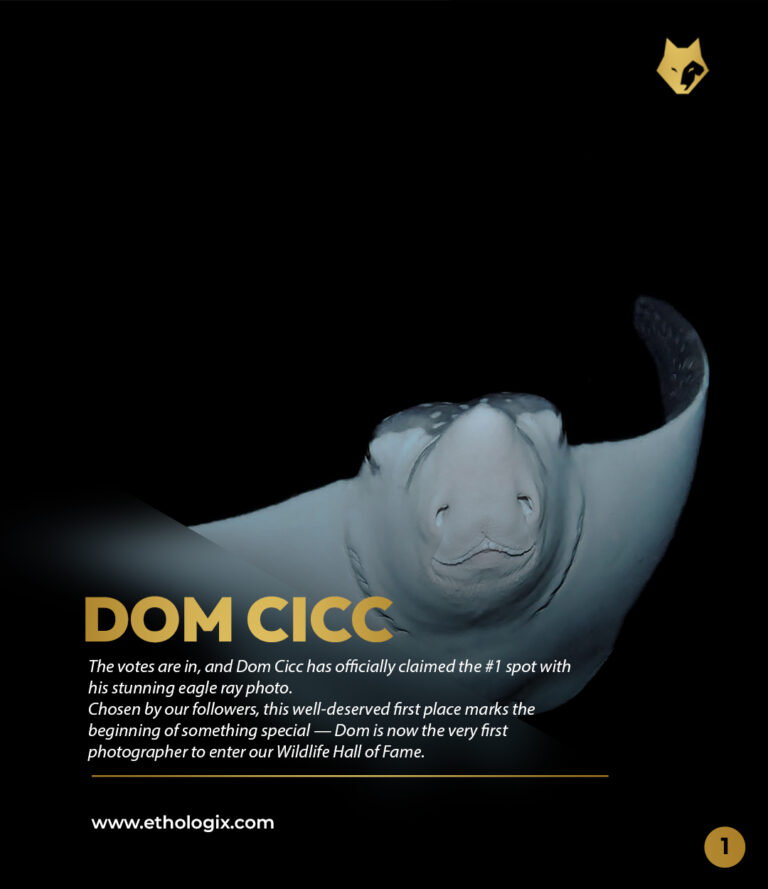
dom cicc
Top 5 wildlife photos of may
Wildlife photography winner: May edition Introduction Wow – what an incredible start! We want to thank everyone who participated in our very first Wildlife Photo of the Month competition. Whether you submitted...
Read More
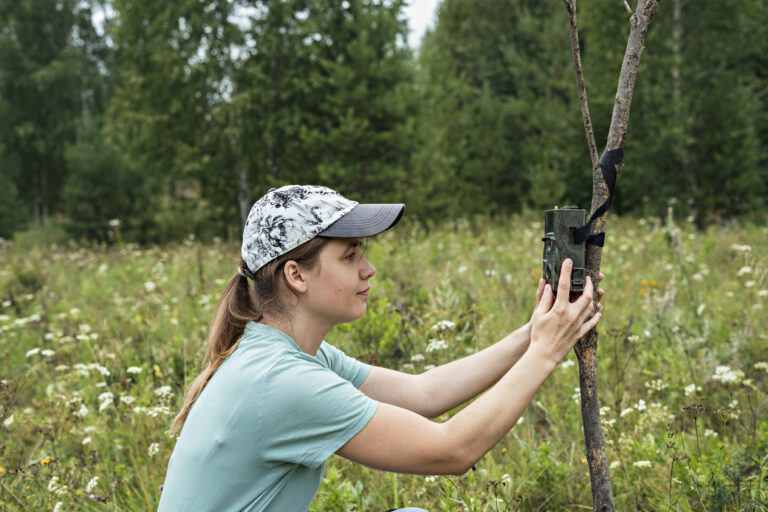
Young woman scientist biologist zoologist sets camera trap for observing wild animals in summer taiga forest to collect scientific data Environmental protection, monitoring of rare and endangered animal species, ecology World Wildlife Day
How to Set Up a Trail Camera (Step-by-Step Guide)
How to setup a trail camera (Step-by-step-guide) Introduction Setting up a trail camera is easier than you might think, and it’s the key to unlocking a hidden world of wildlife activity! Whether you’re...
Read More
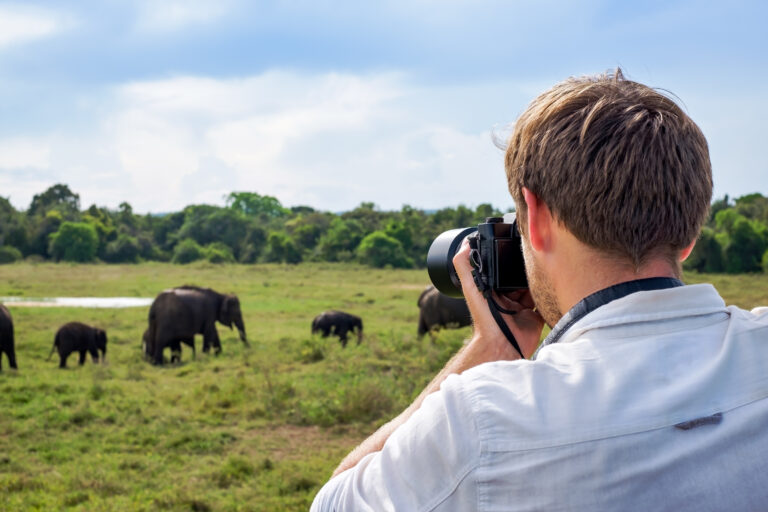
man with budget camera taking picture of wildlife
Best Budget Lenses for Wildlife Photography
Best Budget Lenses for Wildlife Photography Table of Contents Introduction Wildlife photography is an exciting but challenging adventure! Capturing that split-second moment of a bird taking flight...
Read More

Laat een reactie achter

Uw e-mailadres wordt niet gepubliceerd. Vereiste velden zijn gemarkeerd met *

Scroll naar boven