List-of-best-budget-lenses

Best Budget Lenses for Wildlife Photography

Table of Contents

Introduction

Wildlife photography is an exciting but challenging adventure! Capturing that split-second moment of a bird taking flight or a lion mid-roar demands not just skill, but the right gear. Luckily, you don’t have to spend a fortune to get breathtaking shots. In this guide, we’ll dive into the best budget lenses for wildlife photography in 2025 and show you how to build an incredible wildlife photography kit without breaking the bank!

(Fun fact: The first wildlife photo ever taken in the 1800s took over an hour to expose. Thankfully, technology has evolved!)

Let’s get you ready to photograph the wild! 

our recommend budget lenses

Why Lens Choice Matters in Wildlife Photography

Choosing the right wildlife photography lens can make or break your shot.

  • Focal Length: For bird photography or distant subjects, 300mm+ is often essential.

  • Image Stabilization: Helps reduce blur, especially when shooting handheld.

  • Autofocus Speed: Fast-moving animals need lightning-quick focus.

  • Weather-Sealing: Crucial for safaris, forest hikes, and rainy days.

Even budget lenses for wildlife photography can perform like pros if you know what to look for!

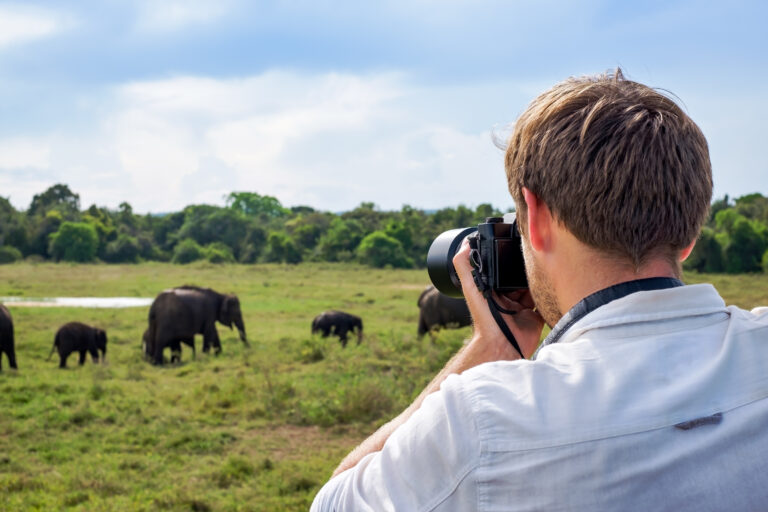
man with budget camera taking picture of wildlife

Key Features to Look for in budget Lenses

When building your budget-friendly wildlife equipment, prioritize these features:

  • Focal Length: 300mm to 600mm is the sweet spot.

  • Wide Aperture: f/4 to f/6.3 offers a good balance.

  • Fast Autofocus: Tracks animals in motion effortlessly.

  • Lightweight Design: Great for hiking and travel.

  • Weather Resistance: Protects your gear from dust, rain, and mud.

Understanding these basics will help you pick the best wildlife lens under 1000 dollars without second-guessing yourself. Now lets get right into this:

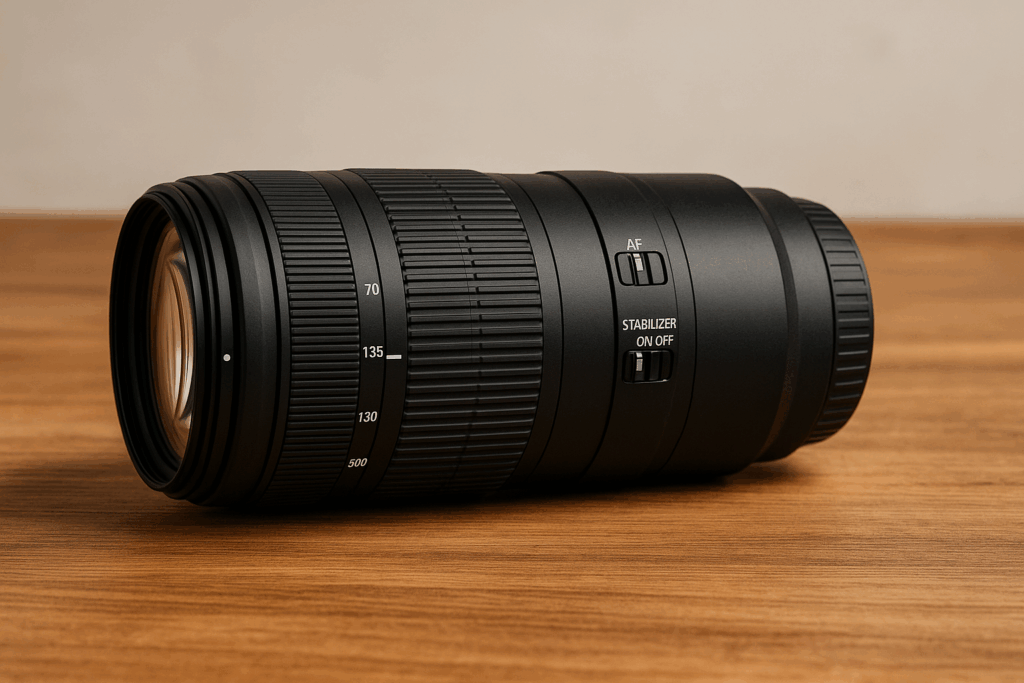
The Canon EF 70-300mm f/4-5.6 IS II USM is a lightweight, budget-friendly telephoto lens perfect for wildlife photography. It offers fast Nano USM autofocus, strong image stabilization, and a sharp zoom range ideal for capturing birds, animals, and distant subjects. A smart choice for anyone starting out with wildlife photography on a budget!

budget-wildlife-lens-canon-70300-ai

*Illustrative image created with AI; not an official Canon product photo.

✅ Pros

  • Fast, silent Nano USM autofocus

  • Excellent image stabilization (up to 4 stops)

  • Sharp image quality across the zoom range

❌ Cons

  • Aperture drops to f/5.6 at longer zooms

  • No weather-sealing

  • Plastic build feels less premium

The Nikon AF-P 70-300mm f/4.5-6.3G ED VR is a lightweight and affordable telephoto lens built for Nikon DX-format DSLR cameras. With fast, near-silent autofocus and effective vibration reduction (VR), it’s a great choice for beginner wildlife photographers looking for sharp, blur-free shots without the bulk. Ideal for capturing birds, distant animals, and even sports from the sidelines!

Nikon AF-P 70-300mm f/4.5-6.3G ED VR telephoto lens for wildlife photography.

*Illustrative image created with AI; not an official Nikon product photo.

✅ Pros

  • Lightweight and easy to carry for handheld wildlife photography

  • Fast and quiet autofocus with Pulse Motor (AF-P)

  • Effective vibration reduction for sharper handheld shots

❌ Cons

  • Plastic mount and body feel less durable

  • Limited low-light performance due to smaller maximum aperture

  • Compatible only with newer Nikon DSLRs (check camera compatibility)

The Sony FE 70-300mm f/4.5-5.6 G OSS is a versatile telephoto zoom built for Sony full-frame and APS-C mirrorless cameras. With sharp optics, fast autofocus, and excellent Optical SteadyShot stabilization, it’s a top pick for wildlife photographers who want flexible reach without carrying heavy gear. If you’re looking for a powerful, travel-ready lens for wildlife and outdoor adventures, this Sony zoom delivers great results without breaking the bank.

Sony FE 70-300mm f/4.5-5.6 G OSS telephoto zoom lens for wildlife photography.

*Illustrative image created with AI; not an official Sony product photo.

✅ Pros

  • Sharp image quality across the entire zoom range

  • Built-in Optical SteadyShot (OSS) for smooth handheld shooting

  • Weather-resistant construction for outdoor conditions

❌ Cons

  • Aperture narrows to f/5.6 at long zoom (less ideal for low light)

  • Slightly heavier compared to other mirrorless telephoto options

  • Premium price tag compared to DSLR alternatives

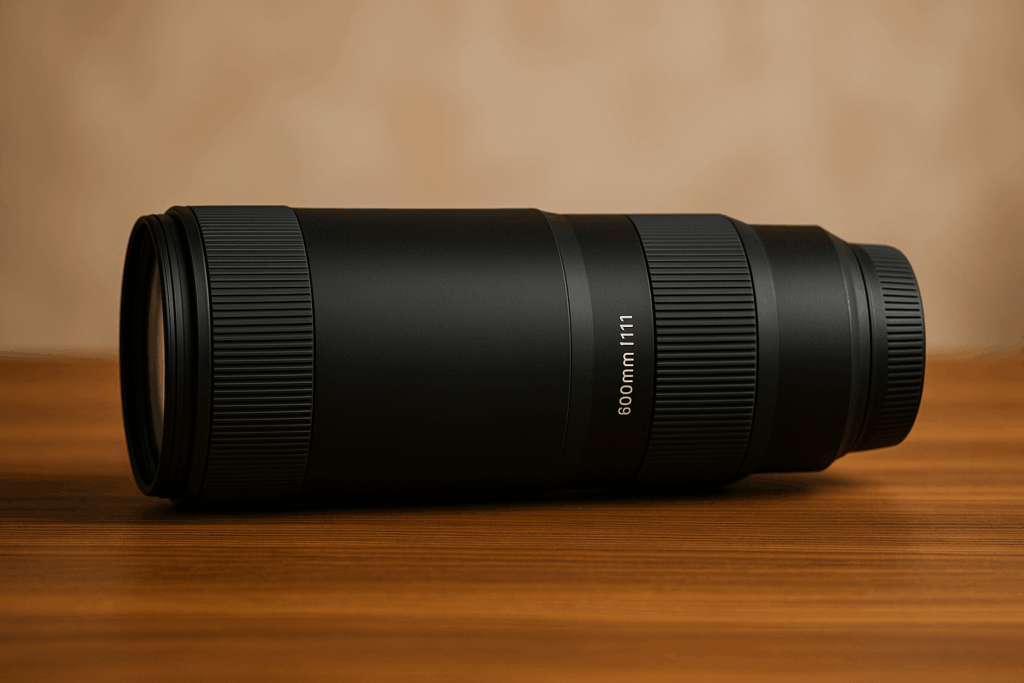
The Canon RF 600mm f/11 IS STM brings super-telephoto reach to wildlife photographers at an incredibly affordable price. Designed for Canon RF-mount mirrorless cameras, this lightweight lens offers outstanding reach for birds, safari animals, and distant wildlife — all without the heavy weight or high cost of traditional 600mm lenses. With built-in image stabilization and smooth STM autofocus, it’s an amazing budget-friendly tool for capturing sharp, detailed wildlife shots from afar.

Canon RF 600mm f/11 IS STM super-telephoto lens for wildlife photography.

*Illustrative image created with AI; not an official Canon product photo.

✅ Pros

  • Incredible 600mm reach at a low price

  • Lightweight and portable for a super-telephoto lens

  • Built-in image stabilization for handheld shooting

❌ Cons

  • Fixed f/11 aperture limits low-light performance

  • No weather-sealing for extreme outdoor conditions

  • Background blur (bokeh) is less creamy compared to faster lenses

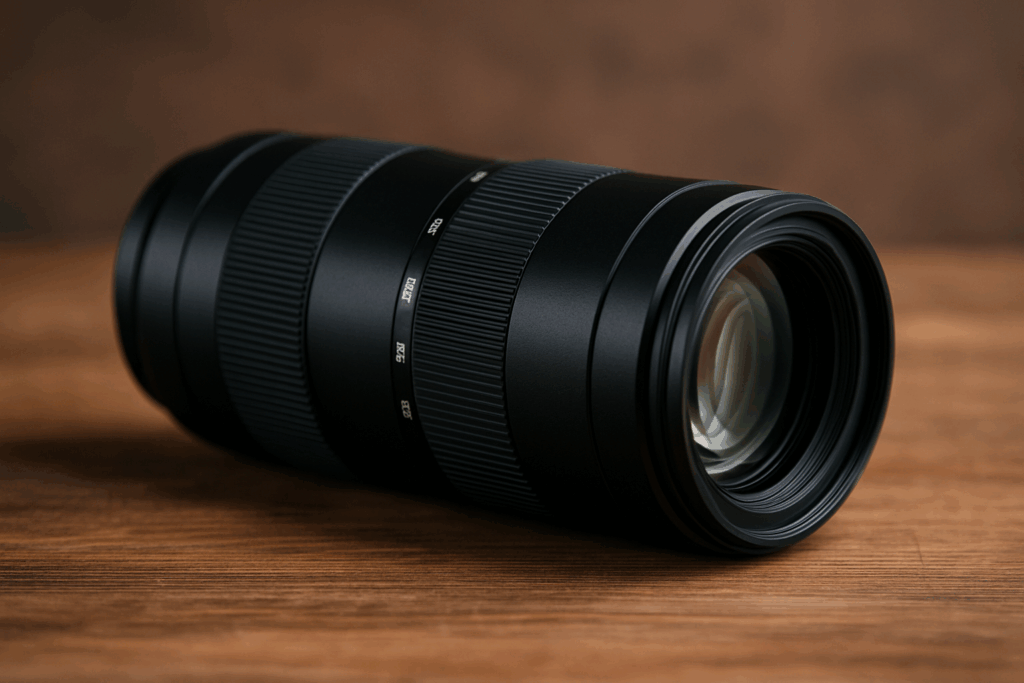
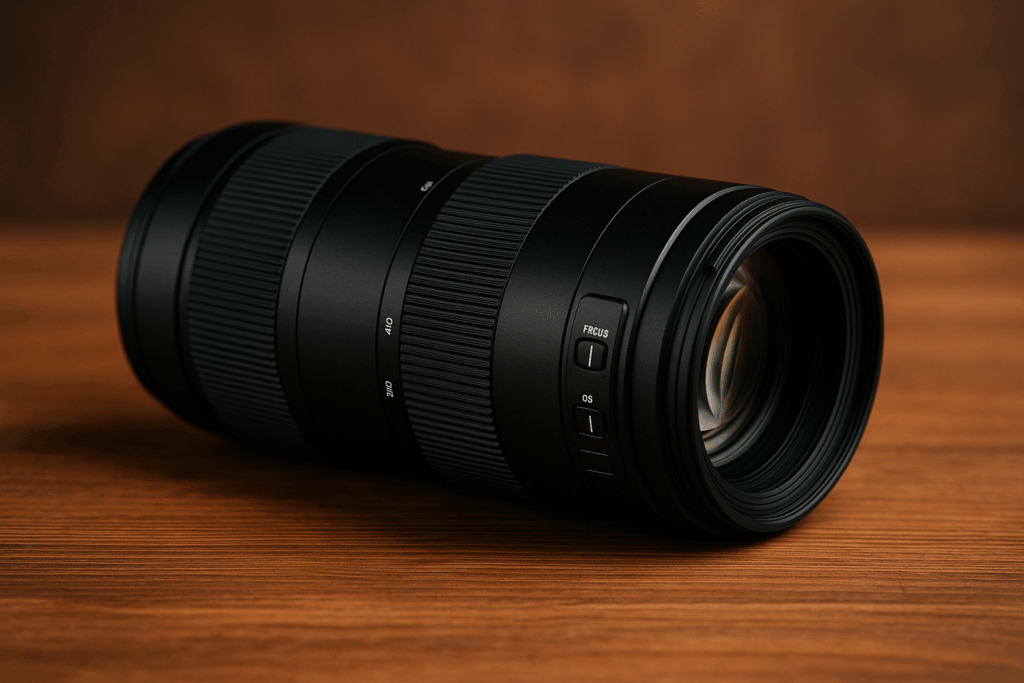
The Sigma 100-400mm f/5-6.3 DG OS HSM Contemporary is a lightweight and affordable telephoto zoom lens, ideal for wildlife photographers who want serious reach without heavy gear. With sharp optics, fast autofocus, and reliable image stabilization (OS), it’s a strong choice for capturing birds, distant animals, and outdoor adventures on a budget.

Sigma 100-400mm f/5-6.3 DG OS HSM Contemporary telephoto lens for wildlife photography.

*Illustrative image created with AI; not an official Canon product photo.

✅ Pros

  • Lightweight and easy to carry for long wildlife shoots

  • Sharp image quality throughout the zoom range

  • Effective Optical Stabilization (OS) for handheld photography

❌ Cons

  • Aperture narrows to f/6.3 at 400mm (less ideal in low light)

  • Weather sealing is limited compared to pro lenses

  • Autofocus is slightly slower in very low light

The Tamron 100-400mm f/4.5-6.3 Di VC USD offers wildlife photographers a lightweight, affordable, and versatile telephoto zoom option. With fast ultrasonic autofocus, strong vibration compensation (VC), and excellent sharpness throughout the zoom range, it’s an ideal choice for capturing birds, mammals, and action scenes without the need for heavy gear. A true budget-friendly performer for both beginners and enthusiasts.

Tamron 100-400mm f/4.5-6.3 Di VC USD telephoto lens for wildlife photography.

*Illustrative image created with AI; not an official Canon product photo.

✅ Pros

  • Lightweight build, ideal for handheld wildlife photography

  • Effective vibration compensation (VC) for sharper handheld shots

  • Fast and reliable USD autofocus motor

❌ Cons

  • Aperture narrows to f/6.3 at longer zoom (less ideal in low light)

  • No full weather sealing (only moisture-resistant construction)

  • Slightly less sharp wide open at 400mm compared to premium lenses

Frequently Asked Questions About Budget Lenses for Wildlife Photography

Yes, 300mm is enough for most wildlife photography, especially for larger animals or when shooting in open areas. However, for small subjects like birds or distant animals, lenses in the 400–600mm range can offer better reach and detail.

Key features to look for include a long focal length (300mm or more), fast autofocus, image stabilization, a reasonably wide aperture, and weather resistance to handle outdoor conditions.

A telephoto lens provides a long reach to photograph distant subjects, while a zoom lens can change its focal length within a range. Some telephoto lenses are zooms (like 70-300mm), while others are fixed (like a 600mm prime).

Lightweight lenses are often better for wildlife photography if you plan to hike or shoot handheld. They reduce fatigue and allow you to react more quickly to moving subjects, though they may sacrifice some low-light performance compared to heavier pro lenses.

Image stabilization is extremely important for wildlife lenses, especially when shooting handheld or at long focal lengths. It helps reduce motion blur, allowing you to capture sharper images even at slower shutter speeds.

conclusion

You don’t need $10,000 lenses to start capturing nature’s raw beauty. The best budget lenses for wildlife photography prove that passion and smart choices matter more than deep pockets.

Whether you’re photographing majestic eagles, sneaky foxes, or playful dolphins, your journey starts with the right lens. So grab your gear, head outdoors, and let nature’s magic unfold through your viewfinder!

Our latest posts

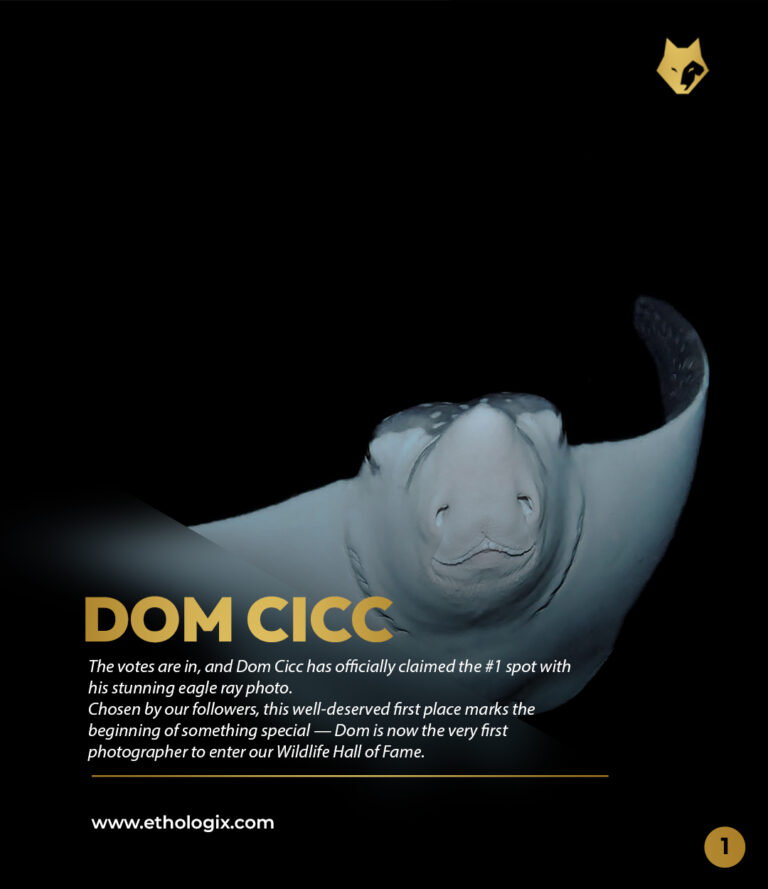
dom cicc
Top 5 wildlife photos of may
Wildlife photography winner: May edition Introduction Wow – what an incredible start! We want to thank everyone who participated in our very first Wildlife Photo of the Month competition. Whether you submitted...

Read More
Young woman scientist biologist zoologist sets camera trap for observing wild animals in summer taiga forest to collect scientific data Environmental protection, monitoring of rare and endangered animal species, ecology World Wildlife Day
How to Set Up a Trail Camera (Step-by-Step Guide)
How to setup a trail camera (Step-by-step-guide) Introduction Setting up a trail camera is easier than you might think, and it’s the key to unlocking a hidden world of wildlife activity! Whether you’re...
Read More
man with budget camera taking picture of wildlife
Best Budget Lenses for Wildlife Photography
Best Budget Lenses for Wildlife Photography Table of Contents Introduction Wildlife photography is an exciting but challenging adventure! Capturing that split-second moment of a bird taking flight...
Read More

Laat een reactie achter

Uw e-mailadres wordt niet gepubliceerd. Vereiste velden zijn gemarkeerd met *

Scroll naar boven