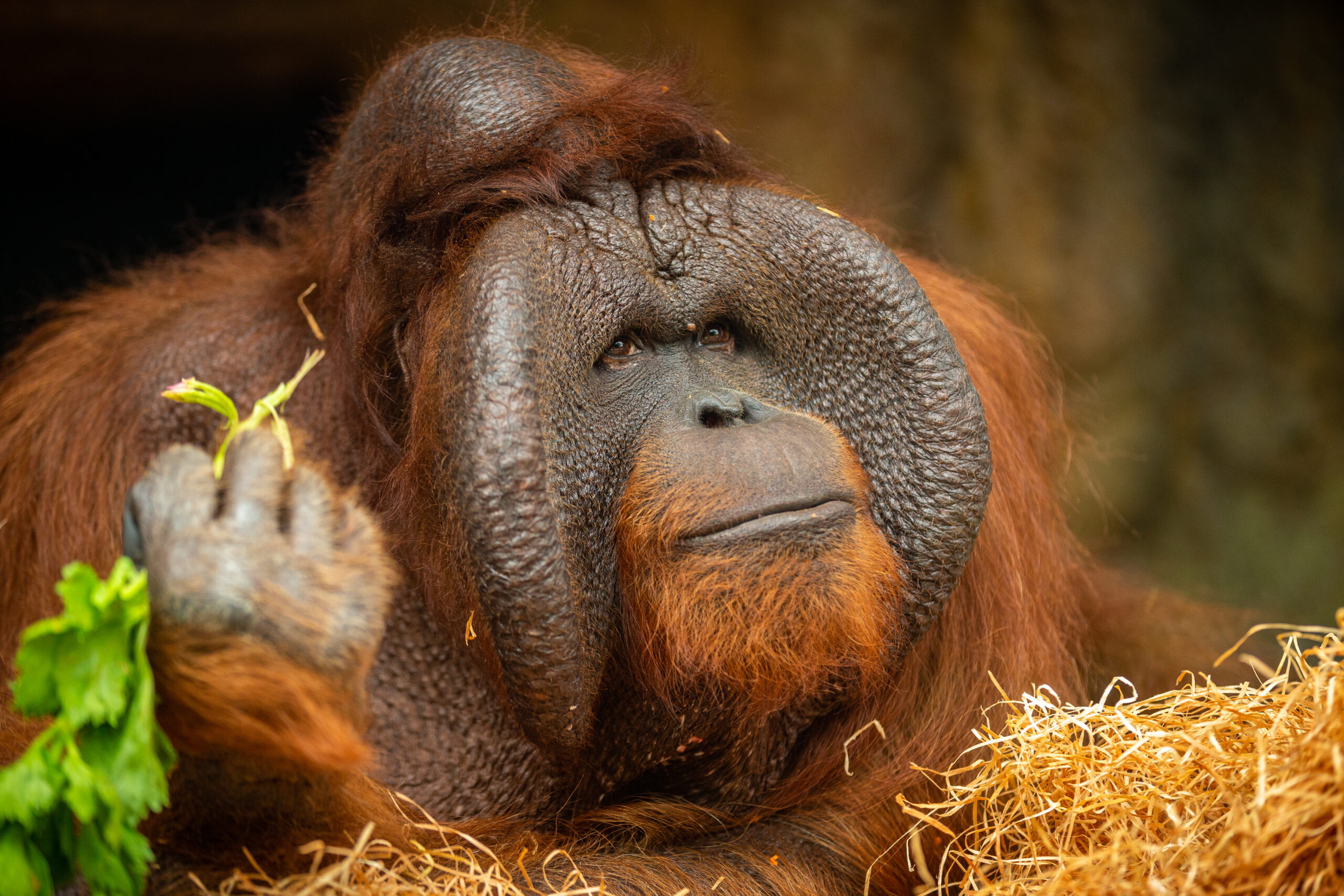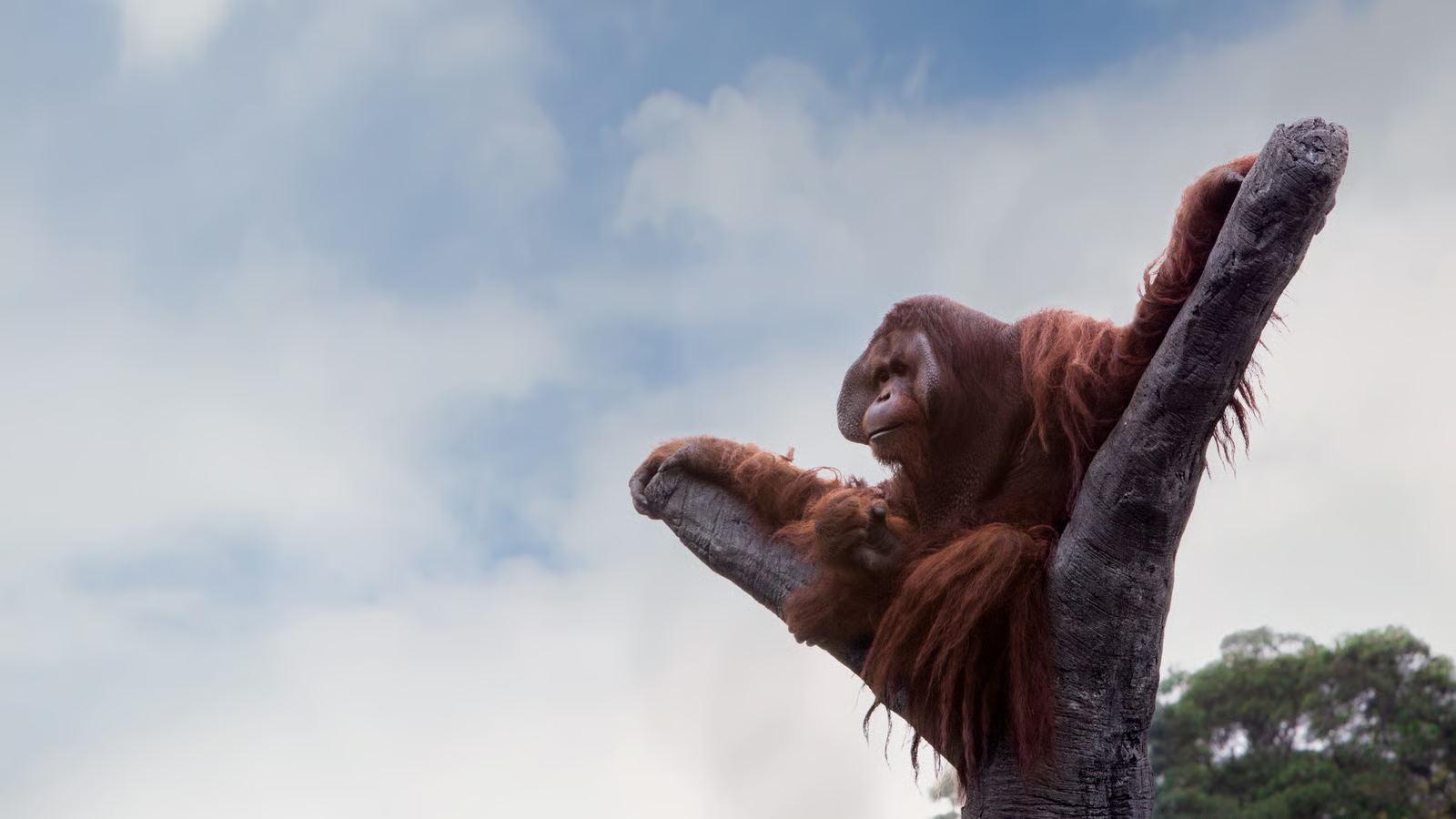






Orangutans, often called the "gentle giants" of the forest, are fascinating primates with a rich history and complex behaviors. While they are well-known for their arboreal lifestyle and intelligence, there are many lesser-known facts about these incredible creatures. In this article, we will explore five intriguing aspects of orangutan life that may surprise you.
01. Orangutans Are Master Mimics
Orangutans are known for their impressive intelligence and adaptability, and their ability to mimic human behavior is just one example of their remarkable cognitive skills. While they are not as vocal as some other primates, orangutans have been observed imitating human sounds, such as laughing and coughing. Additionally, they have been seen mimicking human gestures, such as waving and pointing. This ability suggests a high level of social learning and cognitive flexibility, and it highlights their capacity for understanding and interacting with their environment.
Beyond mere imitation, orangutans have also been observed engaging in more complex forms of mimicry. For instance, they have been seen imitating human facial expressions, such as smiling and frowning. This ability suggests a deeper level of understanding of human behavior and a greater capacity for social interaction.
02. They Have a Unique Sense of Humor
Orangutans are not only intelligent and adaptable, but they also possess a playful and humorous side. They have been observed engaging in a variety of playful behaviors, such as tickling each other, making funny faces, and even playing with objects. These behaviors suggest a sense of humor and a capacity for enjoyment, which are complex cognitive traits often associated with higher-order thinking.
While the exact nature of orangutan humor is difficult to understand, it is clear that these intelligent primates are capable of experiencing joy and amusement. This suggests that they may have a more complex emotional life than previously thought, and it raises interesting questions about the nature of consciousness and sentience in non-human animals.