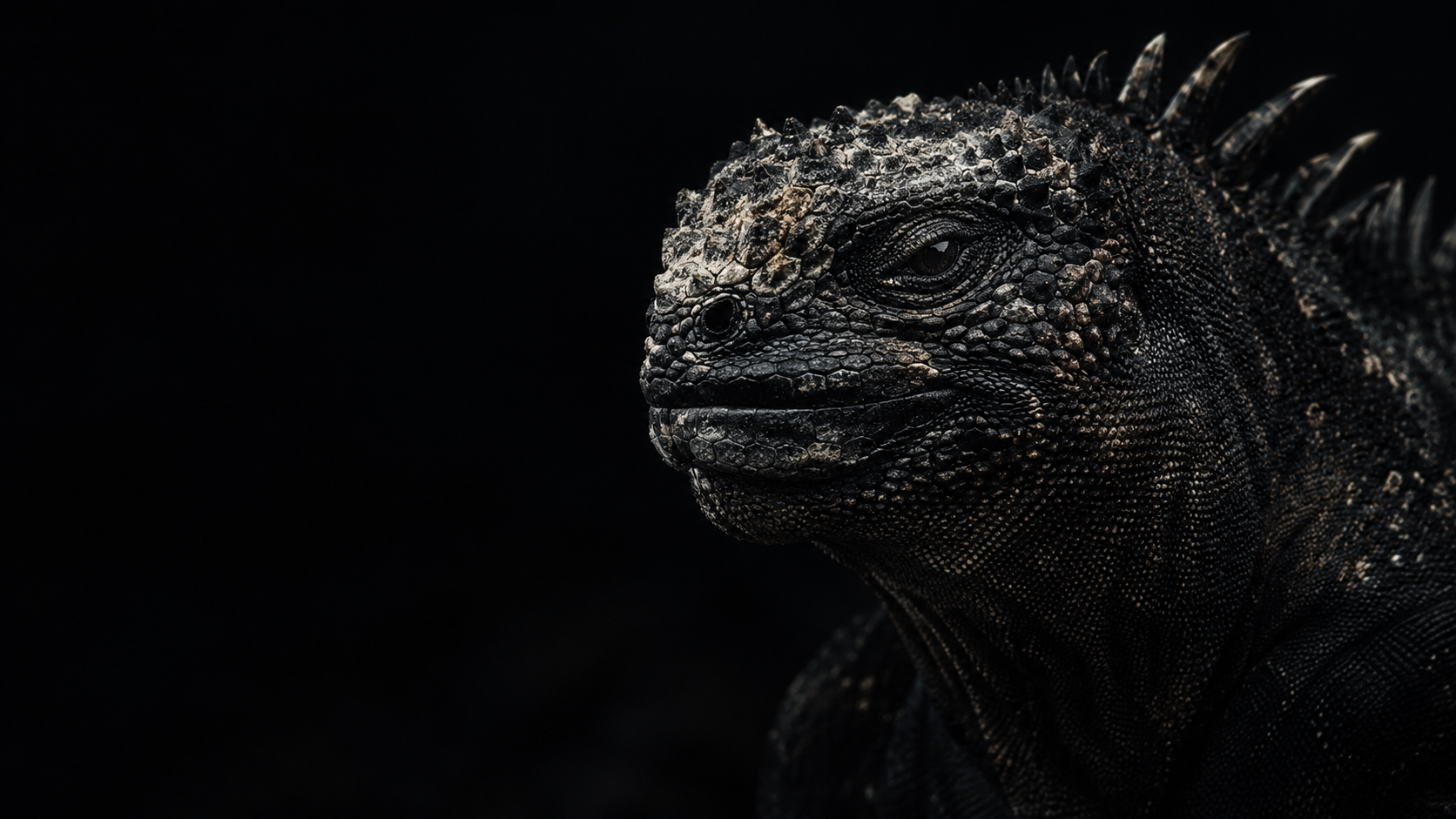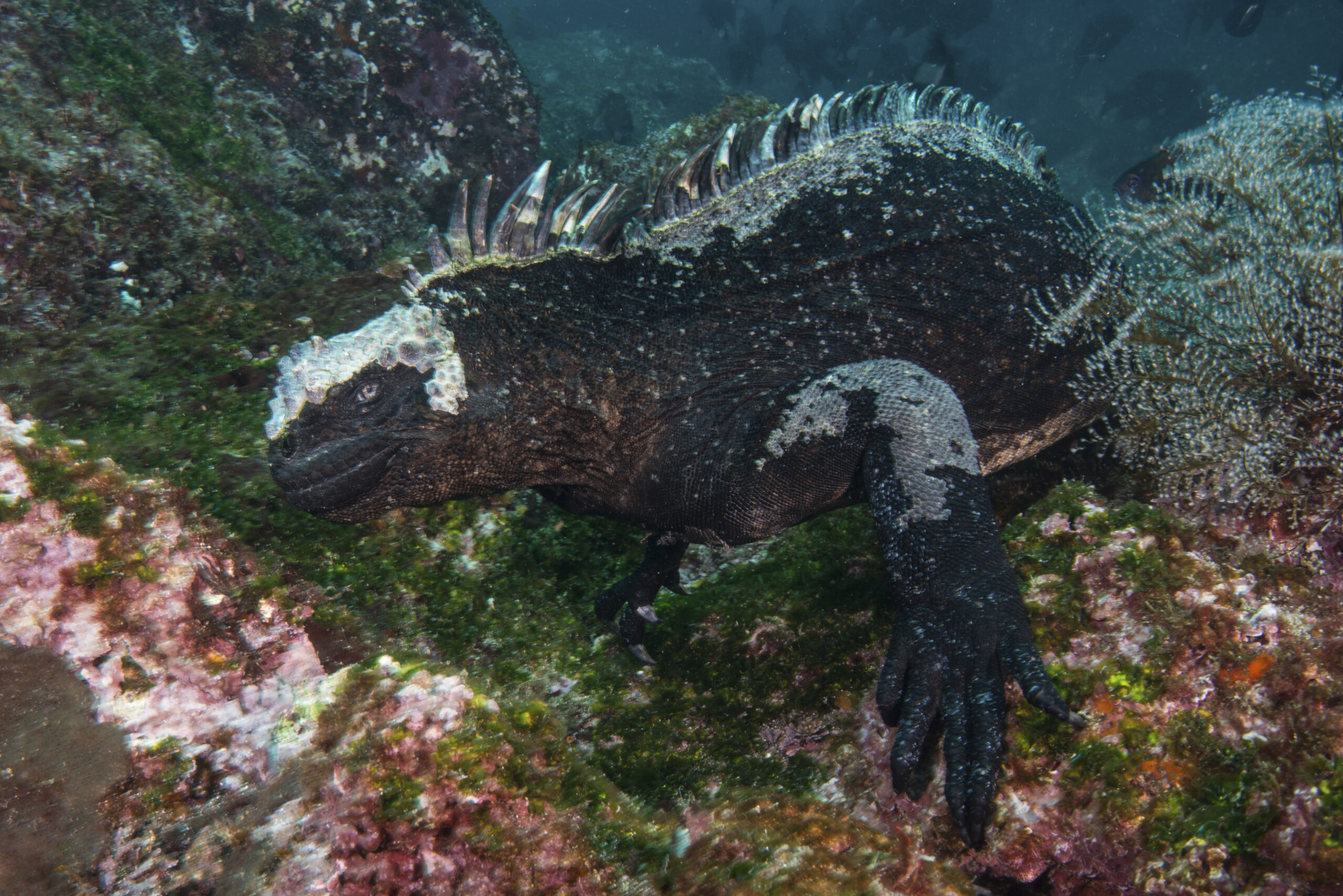






Today, we embark on an adventure to uncover the secrets of one of the ocean's most extraordinary inhabitants: the marine iguana. From their ability to slow down their heart rates in frigid waters to their sneezing salt like seasoned chemists, these reptilian wonders have fascinated scientists and nature lovers alike for generations. Join us as we dive into the awe-inspiring world of marine iguanas and unlock the mysteries behind their unique adaptations.
01. Masters of evolution
The story of the marine iguana's evolution begins on land. These iguanas likely descended from ancient iguana species that arrived on the islands millions of years ago. Over time, they faced the challenge of limited food resources on their volcanic homeland. To survive, they gradually evolved into marine specialists.
One of the key adaptations is their streamlined body shape, which allows them to swim efficiently. Their flattened tails act as rudders, while their long, sharp claws enable them to cling to rocks in turbulent coastal waters. However, the most astonishing adaptation is their ability to expel excess salt from specialized glands near their nostrils. This unique ability enables them to feed on marine algae without being overwhelmed by the high salt content.
02. Chameleon-like Color Adaptation of Marine Iguanas
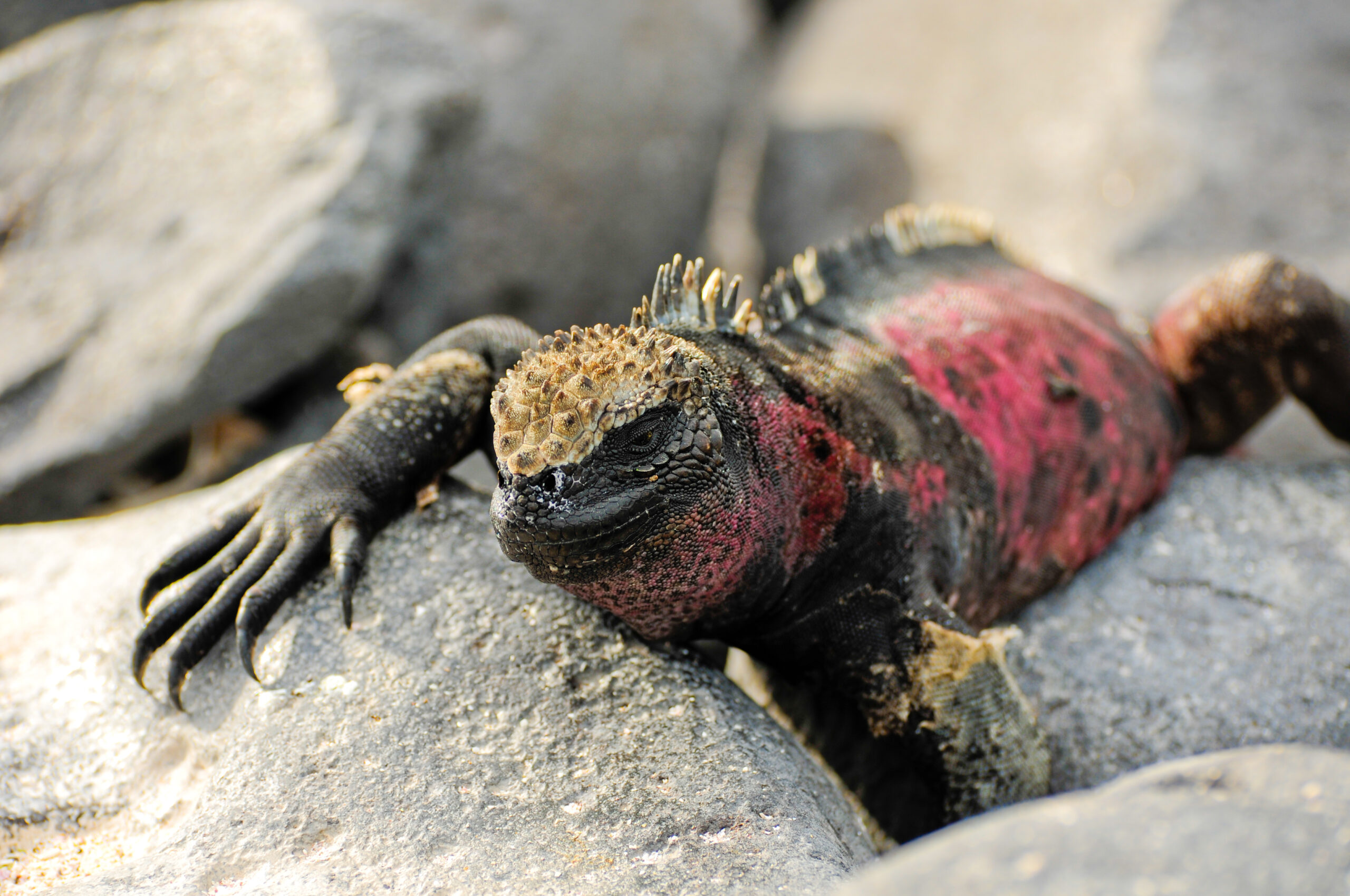
Unlike many reptiles that rely on their coloration for camouflage, marine iguanas have evolved a distinctive and surprising adaptation. These extraordinary creatures are known to shift their color in response to their environment and physiological state.
When marine iguanas are cold or at rest, they often display a dark hue. This dark shade enables them to absorb more sunlight, assisting in quicker warming after their chilly ocean excursions. Conversely, when they are basking in the sun to regulate their body temperature or are in warmer surroundings, they can take on a lighter color. This shift in coloration not only aids in temperature management but also influences their overall appearance.
The ability to change color provides a fascinating glimpse into how marine iguanas have adapted to their unique environment in the Galápagos Islands. It underscores their impressive adaptability in responding to the challenges of their harsh coastal habitat and highlights the dynamic interplay between their biology and surroundings.